Silymarin — Your Liver's Best Friend
If there is one natural compound that has earned the right to be called a true friend of the liver, it is silymarin. Extracted from the seeds of milk thistle (Silybum marianum), silymarin is one of the most extensively researched hepatoprotectors in the world, with thousands of published studies spanning more than five decades. Its ability to protect, repair, and regenerate liver cells makes it a cornerstone ingredient in any serious liver support formula -- including Live R by Elixirika BioTech.
What Is Milk Thistle?
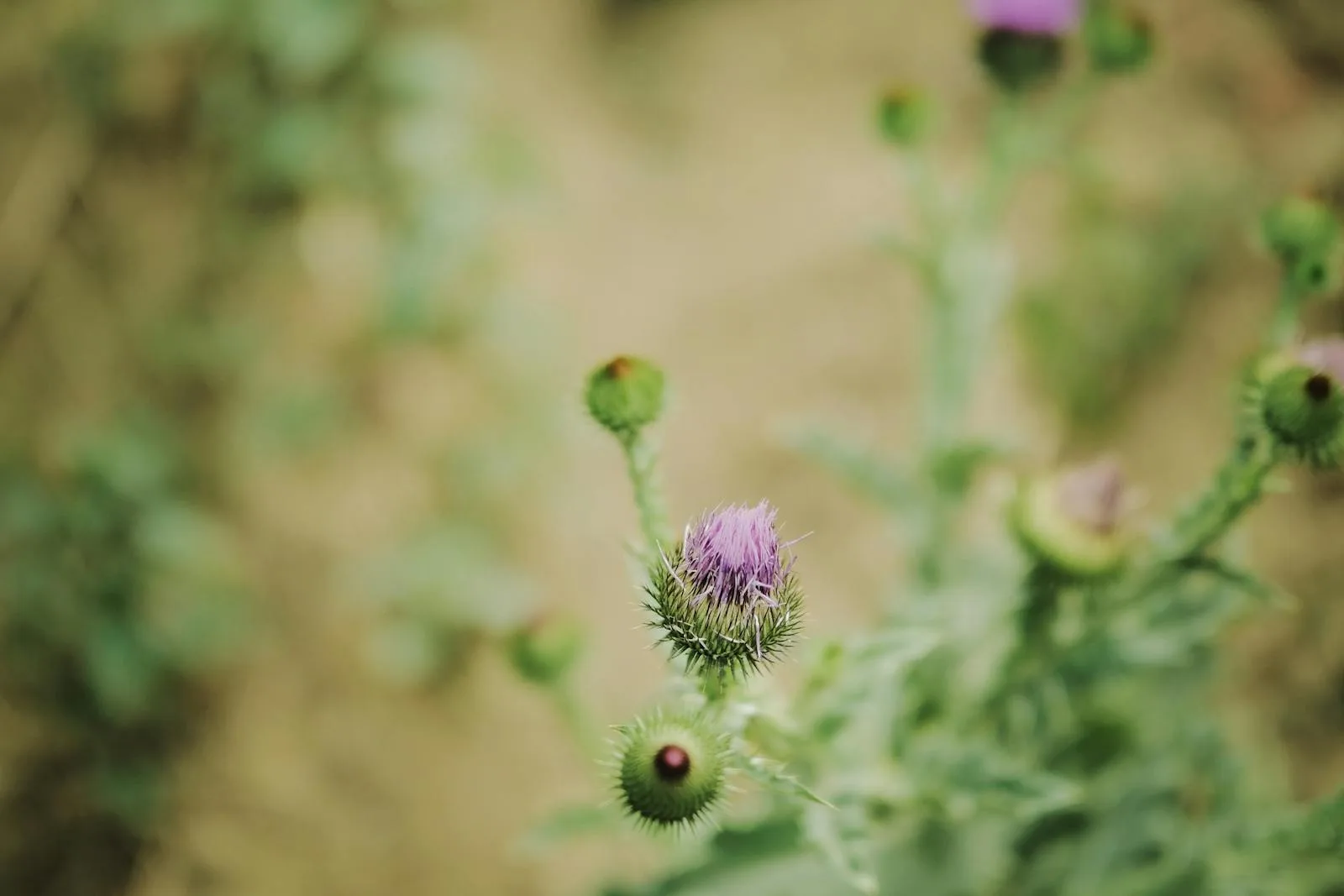
Milk thistle is a flowering plant native to the Mediterranean region that has been used in herbal medicine for over 2,000 years. The ancient Greeks and Romans knew it as a remedy for liver and gallbladder complaints. Its distinctive purple flower heads and white-veined leaves make it easy to recognize in the wild, where it grows as a hardy annual or biennial along roadsides, fields, and disturbed ground across Europe, Asia, and the Americas.
The plant's medicinal value is concentrated in its seeds (technically called achenes), which contain a complex of flavonolignans collectively known as silymarin. This complex typically makes up 1.5 to 3 percent of the seed's dry weight and is responsible for virtually all of the plant's documented therapeutic effects.
What Exactly Is Silymarin?
Silymarin is not a single molecule but a mixture of several closely related compounds. The primary components include:
- Silibinin (silybin A and B) -- the most abundant and pharmacologically active component, accounting for roughly 50 to 70 percent of the silymarin complex
- Silychristin -- the second most abundant flavonolignan
- Silydianin -- present in smaller amounts
- Isosilybin -- a structural isomer of silibinin
- Taxifolin -- a flavonoid that contributes antioxidant activity
Together, these compounds work synergistically to produce silymarin's well-documented hepatoprotective effects. While silibinin receives the most scientific attention, the full complex appears to be more effective than any single isolated component -- a principle that supports the use of whole-extract standardized preparations.
How Silymarin Protects the Liver
Silymarin's hepatoprotective action operates through multiple complementary mechanisms. This multi-pathway approach is what makes it so effective and distinguishes it from simpler antioxidant compounds.
Antioxidant Defense
The liver is the body's primary detoxification organ, processing everything from dietary toxins and alcohol to pharmaceutical drugs and environmental pollutants. This constant exposure generates significant amounts of free radicals -- unstable molecules that damage cell membranes, proteins, and DNA.
Silymarin is a potent free radical scavenger. It directly neutralizes reactive oxygen species (ROS) within liver tissue and also boosts the liver's own antioxidant defenses by increasing levels of glutathione -- often called the body's "master antioxidant." Studies have shown that silymarin can increase hepatic glutathione concentrations by up to 35 percent, significantly strengthening the liver's capacity to handle oxidative stress.
Cell Membrane Stabilization
One of silymarin's most distinctive properties is its ability to stabilize hepatocyte (liver cell) membranes. By modifying the lipid composition of the outer cell membrane, silymarin makes liver cells more resistant to penetration by toxic substances. This creates a physical barrier that prevents harmful compounds from entering and damaging the cell's interior.
This membrane-stabilizing effect is particularly valuable for people exposed to environmental toxins, medications that stress the liver, or regular alcohol consumption.
Stimulation of Protein Synthesis
Silymarin promotes liver regeneration by stimulating ribosomal RNA polymerase I in hepatocytes. In practical terms, this means it accelerates the production of new proteins within liver cells, supporting the repair of damaged tissue and the generation of new, healthy cells. This regenerative capacity is one of silymarin's most remarkable properties and has been documented in both preclinical research and clinical observations.
Anti-Inflammatory Action
Chronic inflammation is a key driver of liver disease progression. Silymarin inhibits several inflammatory pathways, including the NF-kB signaling cascade, which plays a central role in hepatic inflammation. By reducing the production of pro-inflammatory cytokines and enzymes, silymarin helps protect the liver from the kind of sustained inflammatory damage that can lead to fibrosis and cirrhosis over time.
Anti-Fibrotic Effects
In cases of ongoing liver stress, the organ responds by depositing collagen and scar tissue -- a process known as fibrosis. If unchecked, fibrosis can progress to cirrhosis. Silymarin has demonstrated anti-fibrotic properties in multiple studies, reducing the activation of hepatic stellate cells (the primary drivers of fibrosis) and slowing the accumulation of scar tissue.
What Does the Clinical Evidence Say?
Silymarin's therapeutic profile is supported by an extensive body of clinical research. Some of the most significant findings include:
- Alcoholic liver disease: Multiple controlled trials have shown that silymarin supplementation improves liver enzyme levels (ALT, AST, GGT) and histological markers in patients with alcohol-related liver damage
- Non-alcoholic fatty liver disease (NAFLD): Clinical studies demonstrate improvements in liver fat content, insulin resistance, and inflammatory markers with silymarin use
- Toxic liver damage: Silymarin is used in hospital settings as an antidote for Amanita phalloides (death cap mushroom) poisoning, underscoring its powerful hepatoprotective capacity
- Drug-induced liver injury: Research indicates that silymarin can mitigate liver damage caused by medications such as acetaminophen, certain antibiotics, and chemotherapy agents
- Viral hepatitis: Studies in patients with hepatitis B and C have shown improvements in liver function tests and reductions in viral load markers with adjunctive silymarin therapy
The European Medicines Agency (EMA) and the World Health Organization (WHO) both recognize milk thistle extract as a well-established herbal medicinal product for supportive treatment of liver conditions.
Who Should Consider Silymarin?
Given the liver's central role in overall health, silymarin supplementation can benefit a wide range of individuals:
- Anyone who consumes alcohol regularly, even in moderate amounts
- People taking long-term medications that may stress the liver
- Individuals with metabolic syndrome or non-alcoholic fatty liver disease
- Those exposed to environmental toxins through work or living conditions
- Athletes and fitness enthusiasts whose high-protein diets and supplement regimens place additional demands on liver function
- Anyone seeking preventive liver support as part of a proactive health strategy
Silymarin is well-tolerated with an excellent safety profile. Side effects are rare and typically limited to mild gastrointestinal discomfort in sensitive individuals.
Silymarin in Live R
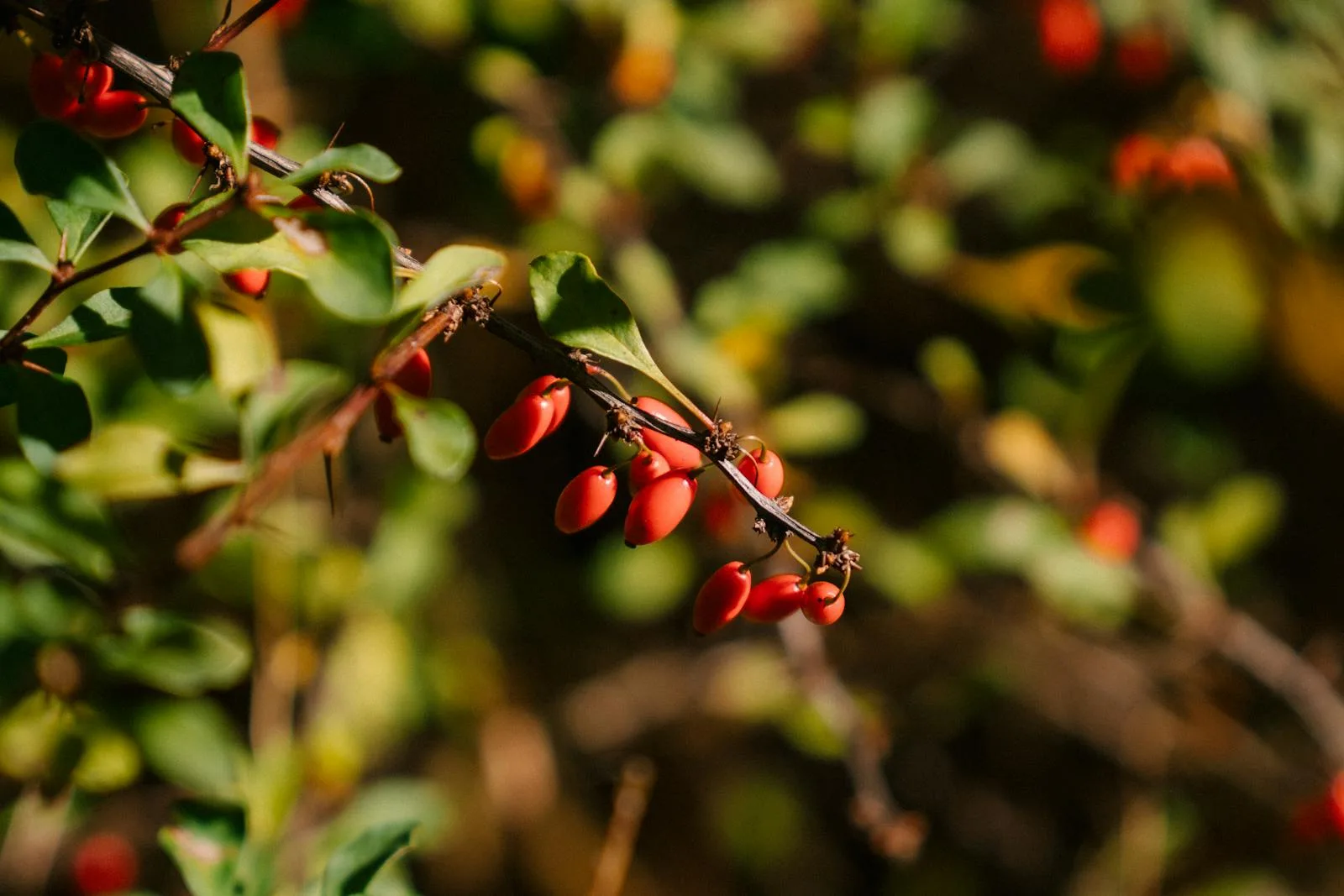
The hepatoprotective formula of Live R combines standardized milk thistle silymarin with berberine and other synergistic ingredients to provide comprehensive liver support. The silymarin in Live R is carefully standardized to ensure a consistent concentration of silibinin -- the most active component -- in every capsule.
This combination approach reflects the understanding that liver health benefits from multiple angles of support: antioxidant protection, anti-inflammatory action, metabolic regulation, and cellular regeneration. Silymarin anchors this formula as the primary hepatoprotective agent, while berberine contributes additional metabolic benefits including blood sugar regulation and lipid metabolism support.
A Time-Tested Ally for Modern Life
In a world where our livers face unprecedented challenges -- from processed foods and environmental pollutants to stress and sedentary lifestyles -- silymarin from milk thistle offers a proven, natural line of defense. Its centuries of traditional use, combined with robust modern clinical evidence, make it one of the most reliable botanical ingredients available for liver health.
Learn more about Live R -- an optimized hepatoprotector formula with silymarin, berberine, and synergistic botanicals for comprehensive liver support.