Berberine — The Natural Metabolic Powerhouse
Few natural compounds have generated as much excitement in the health and nutrition community as berberine. This bright yellow alkaloid, found in several traditional medicinal plants, has demonstrated remarkable effects on blood sugar regulation, lipid metabolism, and overall metabolic health. With over 4,500 published studies to its name, berberine stands alongside metformin as one of the most well-researched metabolic regulators available -- except it comes from nature. In this article, we explore what berberine is, how it works, and why it is a key ingredient in Live R by Elixirika BioTech.
What Is Berberine?
Berberine is an isoquinoline alkaloid -- a naturally occurring plant compound with a distinctive golden-yellow color. It has been used in traditional Chinese medicine and Ayurvedic practice for over 2,500 years, primarily for treating gastrointestinal infections, inflammation, and various metabolic complaints.
Natural Sources
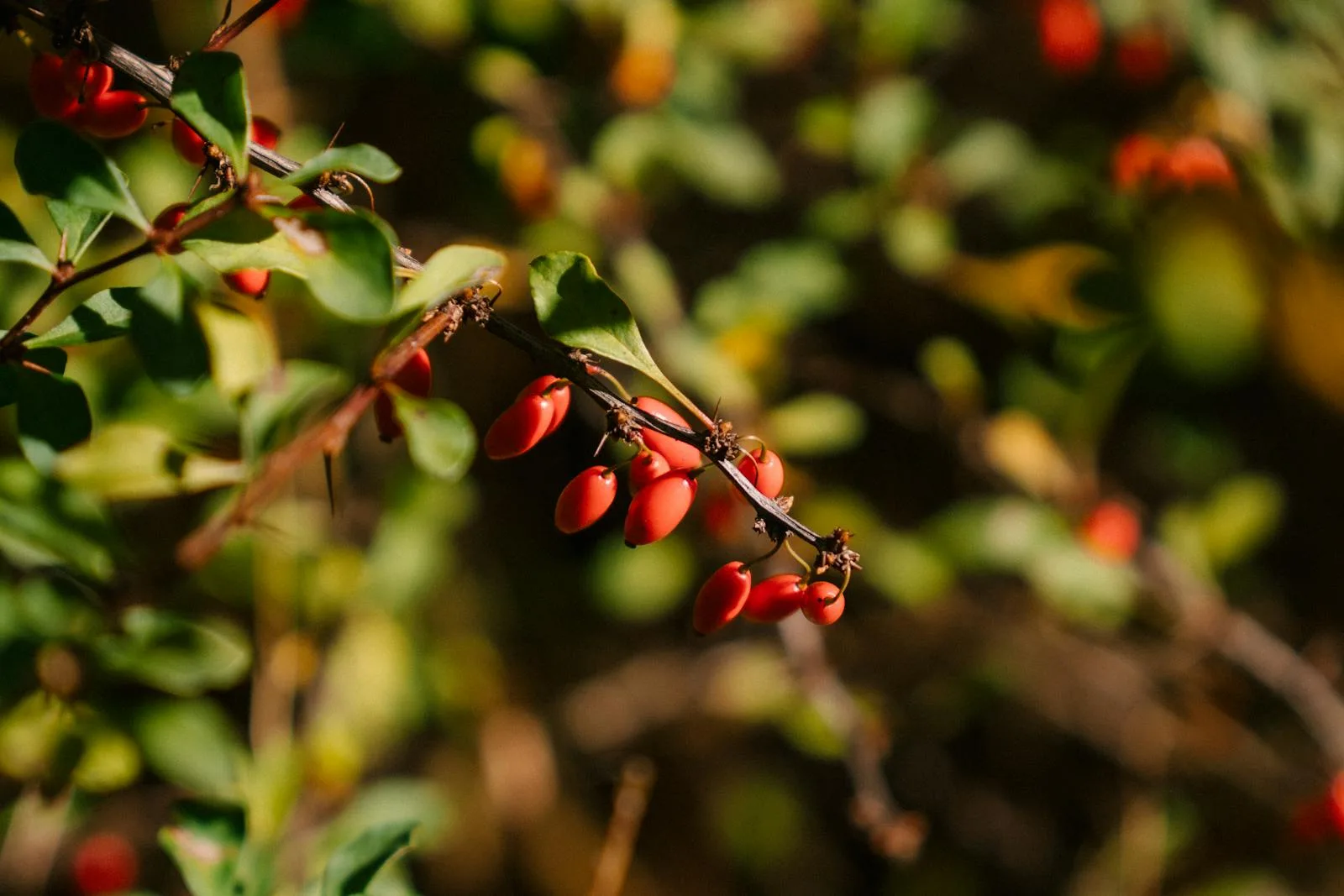
Berberine is found in the roots, rhizomes, and bark of several plant species, including:
- Berberis vulgaris (barberry) -- the most commonly cited source
- Coptis chinensis (Chinese goldthread) -- a staple in traditional Chinese medicine
- Hydrastis canadensis (goldenseal) -- widely used in North American herbal traditions
- Phellodendron amurense (Amur cork tree) -- used extensively in Asian medicine
- Berberis aristata (Indian barberry) -- the primary source for many modern supplements
Despite the diversity of source plants, the berberine compound itself is identical regardless of origin. What matters is the purity and concentration of the extract, which determines its therapeutic efficacy.
The AMPK Connection -- How Berberine Works
The key to understanding berberine's wide-ranging metabolic effects lies in a single enzyme: AMP-activated protein kinase, or AMPK. Often referred to as the body's "metabolic master switch," AMPK is an enzyme present in every cell that plays a central role in energy regulation.
When activated, AMPK triggers a cascade of metabolic improvements:
- Increased glucose uptake by cells
- Enhanced fat oxidation (fat burning)
- Reduced production of new fat and cholesterol
- Improved insulin sensitivity
- Suppression of inflammatory pathways
Berberine is one of the most potent natural AMPK activators known to science. By flipping this metabolic switch, it produces effects that span multiple body systems simultaneously -- a characteristic that distinguishes it from single-target pharmaceutical drugs.
Blood Sugar Regulation
Berberine's most extensively studied benefit is its effect on blood sugar. Multiple clinical trials have compared berberine head-to-head with metformin -- the world's most prescribed diabetes medication -- and found comparable results.
Key Mechanisms
Berberine lowers blood sugar through several complementary pathways:
- Improved insulin sensitivity: It enhances the ability of muscle and fat cells to respond to insulin, reducing insulin resistance
- Increased glucose uptake: By activating AMPK and GLUT4 transporters, berberine helps cells absorb glucose from the bloodstream more efficiently
- Reduced hepatic glucose production: The liver is a major source of blood glucose between meals. Berberine decreases the rate at which the liver releases stored glucose into the blood
- Slowed carbohydrate absorption: Berberine inhibits alpha-glucosidase enzymes in the intestine, which slows the breakdown of complex carbohydrates and reduces post-meal blood sugar spikes
Clinical Results
A landmark meta-analysis of 27 randomized controlled trials involving over 2,500 participants found that berberine significantly reduced fasting blood glucose, post-meal glucose, and HbA1c (a marker of long-term blood sugar control). The reductions were clinically meaningful and comparable to those achieved with first-line pharmaceutical interventions.
These findings make berberine an attractive option for individuals seeking natural support for healthy blood sugar levels, whether as a standalone strategy or alongside conventional treatments.
Cholesterol and Cardiovascular Health
Beyond blood sugar, berberine exerts powerful effects on lipid metabolism. Clinical studies consistently demonstrate that berberine supplementation leads to:
- Reduced total cholesterol by 15 to 20 percent
- Reduced LDL ("bad") cholesterol by 20 to 25 percent
- Reduced triglycerides by 25 to 35 percent
- Modest increases in HDL ("good") cholesterol
Berberine achieves these effects through a mechanism distinct from statins. While statins inhibit cholesterol synthesis, berberine primarily works by upregulating LDL receptors on liver cells, increasing the liver's ability to clear LDL cholesterol from the bloodstream. This complementary mechanism means berberine can be used alongside statins for enhanced results, or as a natural alternative for those who prefer to avoid pharmaceutical lipid-lowering agents.
The combined improvements in blood sugar and cholesterol make berberine particularly valuable for individuals with metabolic syndrome -- a cluster of conditions that together significantly increase cardiovascular risk.
Liver Health and Hepatoprotection
Berberine's benefits extend directly to the liver, making it a natural complement to hepatoprotective compounds like silymarin. Research has shown that berberine:
- Reduces liver fat accumulation, a key factor in non-alcoholic fatty liver disease (NAFLD)
- Improves liver enzyme levels (ALT, AST), indicating reduced hepatocellular damage
- Activates autophagy in liver cells, promoting the clearance of damaged organelles and cellular debris
- Modulates gut-liver axis signaling, reducing the inflammatory burden on the liver from intestinal sources
This hepatoprotective profile makes berberine an ideal partner for silymarin in a comprehensive liver support formula.
The Synergy Between Berberine and Silymarin
One of the most compelling aspects of berberine in the context of liver health is its synergy with silymarin from milk thistle. While silymarin excels at protecting liver cell membranes, scavenging free radicals, and promoting hepatocyte regeneration, berberine addresses the metabolic side of liver health -- managing fat accumulation, improving insulin sensitivity, and supporting healthy cholesterol levels.
Together, they provide a dual-action approach:
- Silymarin shields the liver from damage and supports repair
- Berberine optimizes the metabolic processes that the liver manages
This combination is the foundation of the Live R formula, which unites both compounds in a single, convenient supplement designed for comprehensive liver and metabolic support.
Weight Management and Body Composition
Emerging research suggests that berberine may also support healthy weight management. By activating AMPK, berberine enhances fat oxidation and inhibits lipogenesis (the creation of new fat cells). Several clinical studies have observed modest but significant reductions in body weight, BMI, and waist circumference in participants taking berberine over 8 to 12 week periods.
While berberine is not a weight loss drug, its metabolic effects can complement a healthy diet and exercise program, making it a useful tool for individuals working to improve their body composition.
Safety and Tolerability
Berberine has a strong safety profile supported by decades of clinical use. The most commonly reported side effects are mild gastrointestinal symptoms -- typically loose stools or minor cramping -- which tend to resolve within the first few days of use. Taking berberine with meals can minimize these effects.
It is worth noting that berberine can interact with certain medications, particularly those metabolized by the liver. Individuals taking prescription blood sugar or cholesterol medications should consult their healthcare provider before adding berberine to their regimen.
A Modern Essential for Metabolic Health
In an era of rising metabolic disease, sedentary lifestyles, and processed diets, berberine offers a time-tested, scientifically validated tool for supporting the body's most fundamental metabolic processes. Its ability to simultaneously address blood sugar, cholesterol, liver health, and inflammation makes it one of the most versatile natural compounds available.
Learn more about Live R -- an optimized formula combining berberine with milk thistle silymarin for comprehensive liver function support and blood sugar regulation.