
Ajuga Turkestanica -- A Treasure from Central Asian Folk Medicine
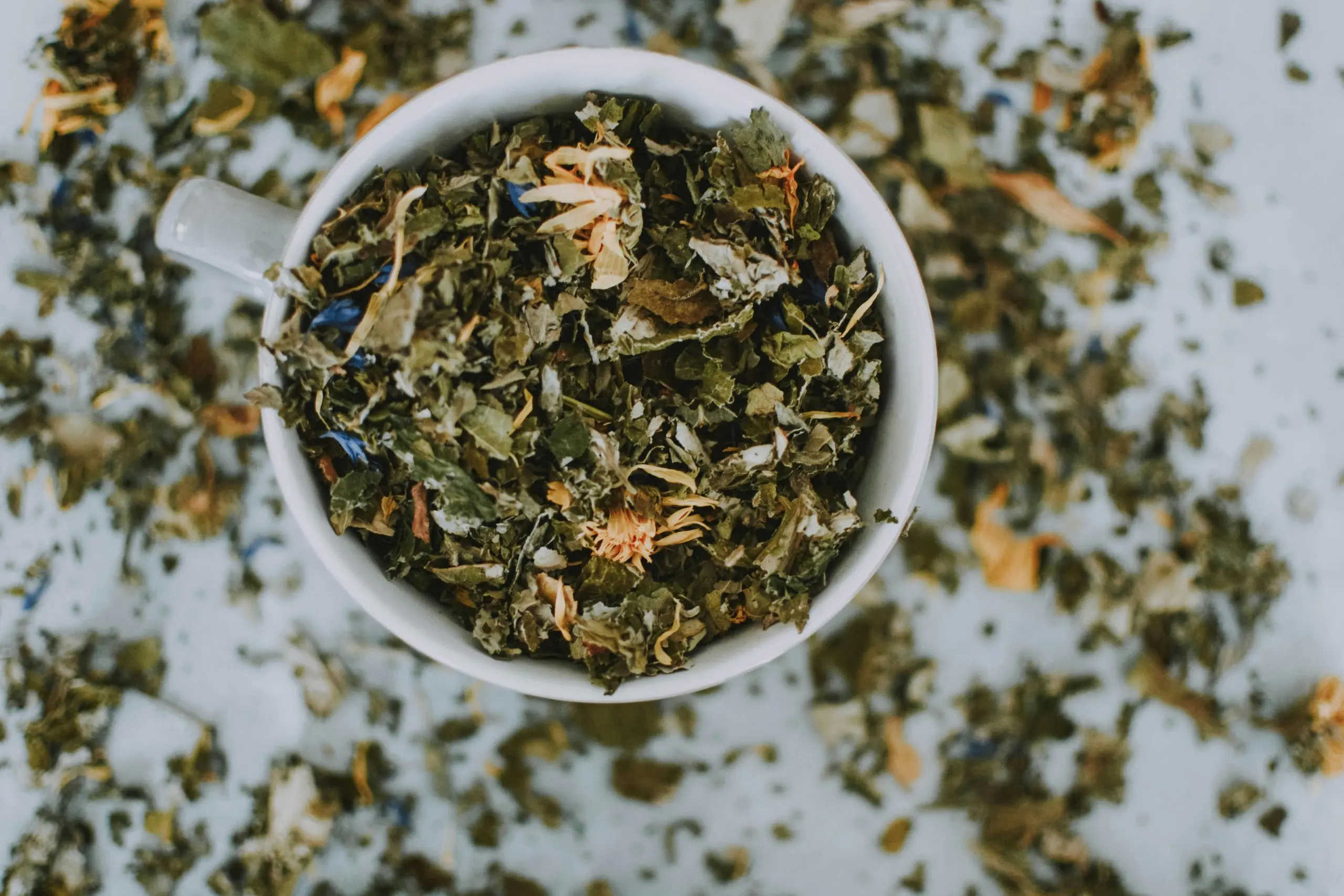
Ajuga turkestanica is a plant with deep roots in the folk medicine of Central Asia and other regions. Used for centuries, this herb is valued for its diverse health benefits and its ability to support the body in various conditions. Traditional healing practices include the use of both the fresh plant and its dried form.
Traditional Uses
Tonic Beverages and Decoctions:
In Central Asia, the aerial part of Ajuga turkestanica is often used as tea or tonic decoctions. These are prepared to restore strength after illness, physical exhaustion, or heavy labor.
Joint Pain Relief:
The herb is traditionally applied for gout, rheumatism, and other joint ailments, providing soothing and anti-inflammatory effects.
For Gastrointestinal Complaints:
Dried leaves and tips are used to relieve stomach disorders and other digestive problems.
Fever Reduction and Perspiration:
Ajuga turkestanica is used in cases of fever or overheating, helping to normalize body temperature.
External Application for Skin Problems:
In folk medicine, the plant is used externally — in the form of compresses and washes — to treat wounds, eczema, and skin infections. It possesses antiseptic and anti-inflammatory properties.
Respiratory Health Improvement:
Ajuga is recommended for coughs, bronchitis, asthma, and other respiratory problems. It acts as an antitussive (cough-suppressing) and expectorant agent.
General Strengthening and Adaptogenic Effects:
Traditionally used as a tonic herb for strengthening the body, especially during states of physical and mental exhaustion, stress, or after intense exertion — whether from heavy labor or intensive sports.
For Women's Health:
In folk practice, Ajuga turkestanica is used for menstrual pain, menstrual cycle irregularities (amenorrhea), and for recovery of the female body after childbirth.
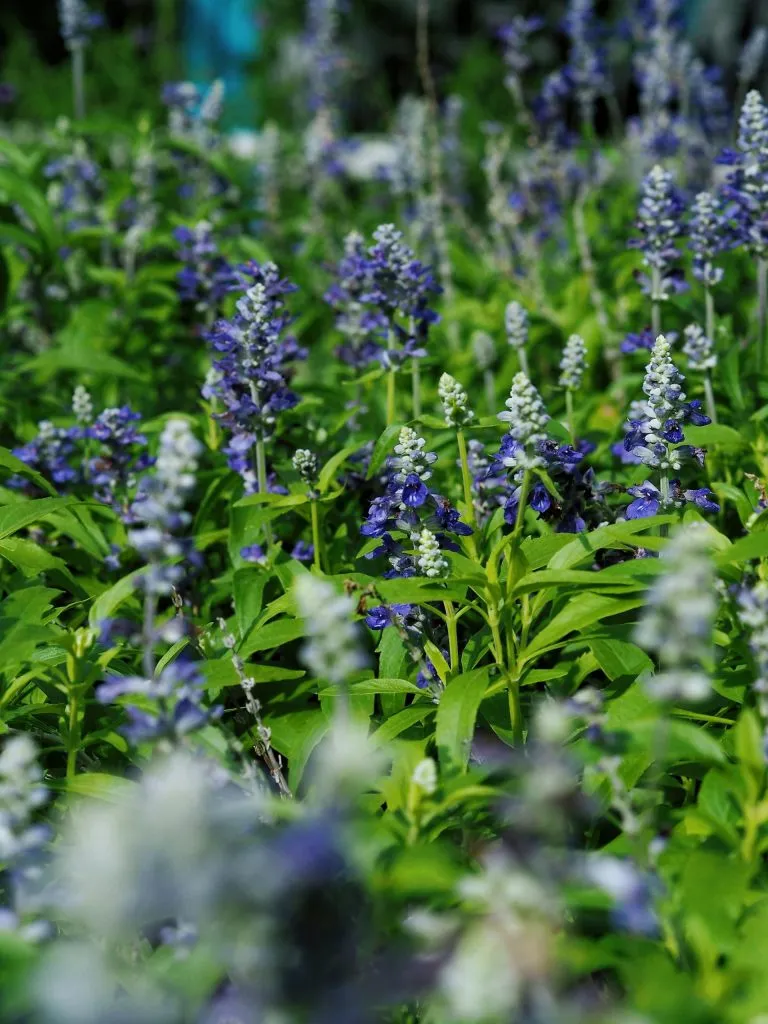
Ajuga Turkestanica Today -- Bridging Tradition and Modern Science
While traditional use cannot be equated with scientifically proven efficacy, the rich folklore and historical records fuel ongoing interest in the plant. Ajuga turkestanica remains an inspiration for those seeking natural solutions based on ancestral knowledge, without excluding the modern approach to a healthy lifestyle.
Thanks to this scientific interest, Ajuga turkestanica is becoming increasingly popular not only among advocates of natural medicine, but also in the field of modern phytotherapy and dietary supplements.
Conclusion
Ajuga turkestanica remains a true botanical treasure — respected by traditional medicine and studied by modern science. The combination of ancient knowledge and contemporary verification makes it a valuable ally for health, strength, and vitality.
Learn more about Sportix Max — a liquid turkesterone formula for rapid recovery and endurance.